- February
- 11
- 2026
Top 5 Event Security Protocols Every Organizer Should Know
Planning a successful event is about more than logistics, entertainment, or guest experience. One overlooked security gap can turn even the best-planned event into a serious liability. That is why event security protocols are no longer optional—they are essential.
Whether you are organizing a corporate gathering, private celebration, concert, festival, or high-profile event, having structured security planning for events protects guests, staff, property, and your reputation.
Below are the top five event security protocols every organizer should know, explained in clear, practical terms and aligned with modern event security services best practices.
1. Comprehensive Risk Assessment and Threat Analysis
Every strong security plan starts with a detailed risk assessment. This step helps identify vulnerabilities before they escalate into real problems.
What Risk Assessment Includes:
-
Venue layout and access points
-
Expected crowd size and attendee demographics
-
Nature of the event (private, corporate, public, VIP)
-
Local crime statistics and past incident history
-
Weather conditions and environmental risks
-
Presence of VIPs or high-value assets
Why This Matters:
Without risk assessment, security tends to be reactive instead of proactive. Professional event security services use threat modeling to create layered protection rather than relying only on staff presence.
Best Practice Tip:
Risk assessments should be updated closer to the event date in case of changes in attendance, venue setup, or local conditions. This ensures your security plan remains effective and responsive to new risks.
2. Controlled Access Management and Credentialing
One of the most critical event security protocols is controlling who enters, exits, and moves within the venue.
Key Access Control Measures:
-
Credential checks at all entry points
-
Guest lists, badges, wristbands, or digital passes
-
Separate access zones for staff, vendors, and VIPs
-
Secure back-of-house and restricted areas
-
Bag checks and prohibited item screening
Private vs Public Events:
For private events, access control becomes even more important. Private functions often involve personal guests, executives, or celebrities who require discreet but firm screening. Professional guards are trained to enforce rules without disrupting the guest experience, balancing safety with hospitality.
3. Strategic Crowd Management and Flow Control
Poor crowd management security is one of the leading causes of injuries and incidents at events. Even peaceful gatherings can become dangerous if crowd movement is not carefully managed.
Crowd Management Strategies:
-
Clearly marked entry and exit routes
-
Barriers and signage to guide foot traffic
-
Monitoring crowd density in real time
-
Trained personnel positioned at high-traffic areas
-
Emergency evacuation planning
Why Crowd Psychology Matters:
Understanding crowd behavior is crucial. Trained guards recognize early signs of overcrowding, agitation, or panic and intervene early through redirection, communication, or controlled dispersal. Strong crowd management protects guests while allowing the event to continue smoothly.
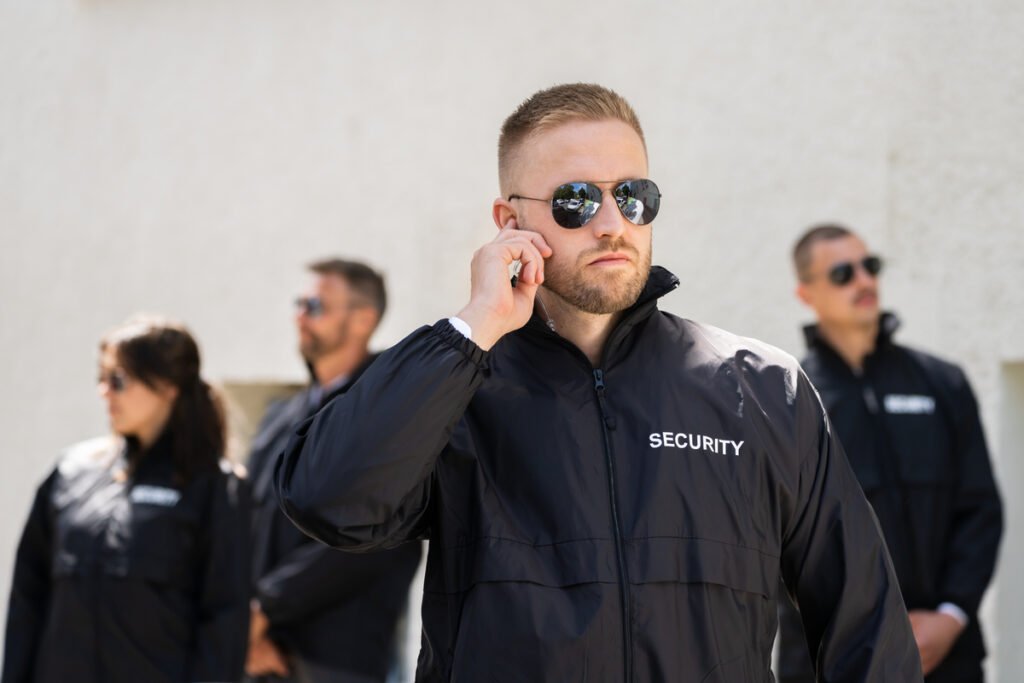
4. Visible and Professional Event Security Presence
Visibility is one of the most effective deterrents in security planning for events.
Benefits of Visible Security:
-
Discourages disruptive behavior
-
Provides reassurance to guests and staff
-
Enables rapid response to incidents
-
Creates authority without intimidation
Matching Security Style to Event Type:
-
Corporate events: polished, discreet guards
-
Concerts and festivals: highly visible teams
-
Private events: low-profile, controlled security
A professional security presence does not mean aggressive enforcement. It means calm, trained personnel who can de-escalate situations and assist guests when needed. Choosing the right event security services ensures safety while maintaining the event’s tone.
5. Emergency Response Planning and Incident Management
Even with the best preparation, emergencies can occur. A strong event security protocol includes a clear and practiced response plan.
Emergency Planning Should Cover:
-
Medical emergencies
-
Fire or evacuation procedures
-
Lost child or missing person protocols
-
Aggressive or intoxicated individuals
-
Coordination with local law enforcement or EMS
Incident Documentation:
Professional security teams document incidents accurately and discreetly. This protects organizers from legal exposure and provides accountability during post-event review.
Why Professional Event Security Services Matter:
While some organizers attempt to manage safety internally, professional event security services provide expertise, training, and liability protection that internal teams cannot. Experienced providers offer:
-
Licensed and insured personnel
-
Guards trained in de-escalation and crowd management
-
Proven protocols and contingency planning
-
Coordination with venue and emergency services
Most importantly, professional teams allow organizers to focus on delivering a successful event without constantly worrying about safety.
Choosing the Right Event Security Partner
Not all security providers offer the same level of protection, professionalism, or planning. Selecting the right partner is one of the most important decisions for any event organizer. At Age Security Services, we work closely with organizers to deliver customized, reliable, and professional security solutions.
Key Factors to Look For:
-
Experience with similar event types: corporate, private, concerts, festivals, VIP gatherings
-
Customizable security planning tailored to the venue, crowd, and goals
-
Clear communication and professional reporting before, during, and after the event
-
Licensed, vetted, and professionally trained guards
-
Proven reputation with reviews, referrals, and repeat clients
A trusted security partner works with you, not just for you. Age Security Services collaborates, advises, and adapts as your event evolves, ensuring safety while allowing you to focus on delivering an exceptional experience.
Final Thoughts
Effective event security protocols are not about fear or restriction—they are about preparation, professionalism, and peace of mind.
From risk assessment to crowd management, each protocol plays a critical role in protecting guests, staff, and the event itself. Working with Age Security Services ensures safety without compromising the guest experience, giving organizers confidence and peace of mind.
Frequently Asked Questions (FAQs)
1. Why is event security important for both small and large events?
Event security is important for events of all sizes because risks can arise anywhere crowds gather. Even small private events can face unauthorized access, disturbances, or medical emergencies. Professional security helps prevent problems and respond quickly.
2. How early should I book event security services?
It’s best to book as early as possible, ideally during the planning stage. Early involvement allows the security team to conduct proper risk assessment, review the venue layout, and create a customized security plan.
3. What types of events require professional security?
Corporate events, private parties, weddings, concerts, festivals, trade shows, VIP appearances, and any event with large crowds or valuable assets.
4. What does a typical event security team do during an event?
They manage access points, monitor crowd behavior, handle disturbances, assist guests, and respond to emergencies. They work discreetly to maintain safety while ensuring the event runs smoothly.
5. How do I know if a security company is reliable?
Licensed, insured, and professionally trained staff, experience with similar events, clear communication, customized planning, and positive reviews indicate reliability.